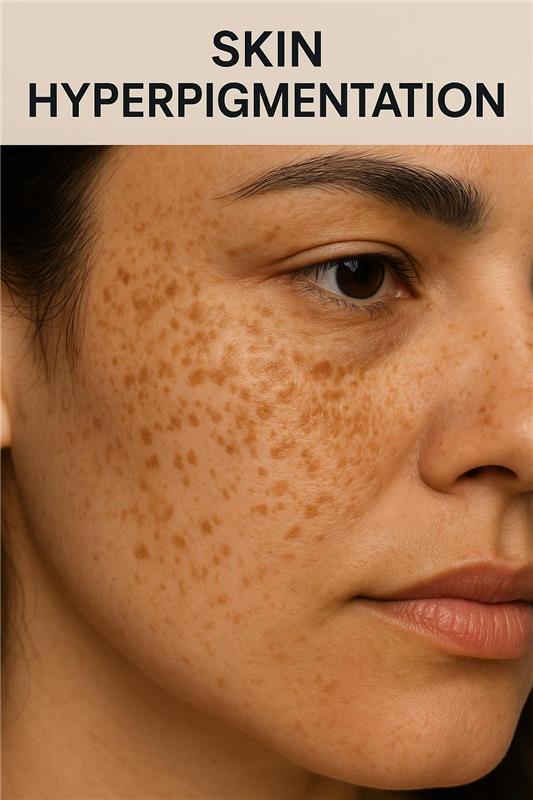
Introduction: Understanding Skin Hyperpigmentation
Hyperpigmentation is one of the most common skin concerns, especially among individuals living in sunny climates like Southern California. Characterized by patches of skin becoming darker than the surrounding areas, hyperpigmentation can impact self-confidence and overall skin vitality. At AMA Regenerative Medicine & Skincare, we take a personalized, regenerative approach to treating hyperpigmentation safely and effectively.
What is Hyperpigmentation?
Hyperpigmentation occurs when excess melanin (the pigment responsible for skin color) forms deposits in the skin. While it is harmless, it often signals underlying skin imbalances that can be corrected through holistic treatments.
What Causes Hyperpigmentation?
Common Causes of Skin Discoloration:
- Sun Exposure: UV rays accelerate melanin production, leading to sunspots or “age spots.”
- Hormonal Changes: Pregnancy, birth control pills, and menopause can trigger melasma, resulting in light brown patches on the skin.
- Post-Inflammatory Hyperpigmentation (PIH): Dark spots appear after acne, injuries, or cosmetic procedures.
- Genetic Factors: Some individuals are genetically predisposed to small brown spots on skin.
- Medications & Chemicals: Certain medications, including chemotherapy drugs, can cause skin discoloration.
Lesser-Known Causes:
- Inflammatory Skin Conditions: Eczema and psoriasis may lead to residual dark patches.
- Environmental Toxins: Pollution can damage skin and accelerate pigmentation issues.
- Aging: Natural aging processes slow skin turnover, making discoloration more apparent.
Types of Hyperpigmentation
- Melasma: Hormonal pigmentation, typically on the cheeks, forehead, and upper lip.
- Sunspots (Lentigines): Dark, flat spots due to UV damage.
- Post-Inflammatory Hyperpigmentation: Dark marks following skin injury or inflammation.
- Freckles: Small brown spots often genetic and intensified by sun exposure.
How AMA Regenerative Medicine & Skincare Treats Hyperpigmentation
At AMA, we go beyond surface treatments by stimulating natural physiological healing processes.
Customized Laser Therapy Protocols:
- Multi-Laser Approach: Simultaneous use of multiple lasers to target different pigmentation depths.
- 30+ State-of-the-Art Lasers: Pigment-targeting lasers, and gentle resurfacing tools.
- Non-Invasive & Natural: Avoid harsh chemicals, opt for body-friendly regenerative treatments.
Regenerative & Holistic Treatments:
- Nutritional & Lifestyle Support: Address hormonal imbalances and oxidative stress contributing to pigmentation.
- IV Therapy: Skin-Bright IV with Copper – Boost collagen, accelerate skin repair, and promote youthful radiance.
Prevention Tips from AMA Experts
- Daily Sunscreen: SPF 50+ to prevent future sun damage.
- Antioxidant-Rich Skincare: Combat oxidative stress with high-quality serums.
- Healthy Lifestyle: Balanced diet, hydration, and reduced stress for optimal skin health.
When to Consult AMA Regenerative Medicine & Skincare
If you notice persistent light brown patches on skin, dark spots, or worsening discoloration despite over-the-counter products, it’s time to consult with our expert team.
Our Promise:
- Personalized Care Plans
- Safe, Non-Toxic Treatments
- Long-Term Skin Health Focus
- Holistic Approach
Real Patient Success Stories
Take the First Step to Radiant Skin
Experience the AMA difference — book your personalized hyperpigmentation consultation today and discover your path to youthful, even-toned skin or visit us online at www.amaskincare.com
Disclaimer: This article is for educational purposes only. Consult a licensed medical professional before starting any treatment.
About the Authors
References
- Biewenga GP, Haenen GR, Bast A. The pharmacology of the antioxidant lipoic acid. Gen Pharmacol. 1997;29(3):315‐331. doi:10.1016/s0306-3623(96)00474-0
- Beitner H. Randomized, placebo-controlled, double blind study on the clinical efficacy of a cream containing 5% alpha-lipoic acid related to photoageing of facial skin. Br J Dermatol. 2003;149(4):841‐849. doi:10.1046/j.1365-2133.2003.05597.x
- Puizina-Ivić N, Mirić L, Carija A, Karlica D, Marasović D. Modern approach to topical treatment of aging skin. Coll Antropol. 2010;34(3):1145‐1153.
- Sherif S, Bendas ER, Badawy S. The clinical efficacy of cosmeceutical application of liquid crystalline nanostructured dispersions of alpha lipoic acid as anti-wrinkle. Eur J Pharm Biopharm. 2014;86(2):251‐259. doi:10.1016/j.ejpb.2013.09.008
- Salinthone S, Yadav V, Schillace RV, Bourdette DN, Carr DW. Lipoic acid attenuates inflammation via cAMP and protein kinase A signaling. PLoS One. 2010;5(9):e13058. Published 2010 Sep 28. doi:10.1371/journal.pone.0013058
- Ziegler D, Ametov A, Barinov A, et al. Oral treatment with alpha-lipoic acid improves symptomatic diabetic polyneuropathy: the SYDNEY 2 trial. Diabetes Care. 2006;29(11):2365‐2370. doi:10.2337/dc06-1216
- Golbidi S, Badran M, Laher I. Diabetes and alpha lipoic Acid. Front Pharmacol. 2011;2:69. Published 2011 Nov 17. doi:10.3389/fphar.2011.00069
- Salehi B, Berkay Yılmaz Y, Antika G, et al. Insights on the Use of α-Lipoic Acid for Therapeutic Purposes. Biomolecules. 2019;9(8):356. Published 2019 Aug 9. doi:10.3390/biom9080356
- Ghibu S, Richard C, Delemasure S, Vergely C, Mogosan C, Muresan A. Un dithiol endogène aux propriétés antioxydantes: l’acide alpha-lipoïque, utilisation potentielle dans les pathologies cardiovasculaires [An endogenous dithiol with antioxidant properties: alpha-lipoic acid, potential uses in cardiovascular diseases]. Ann Cardiol Angeiol (Paris). 2008;57(3):161‐165. doi:10.1016/j.ancard.2008.02.018
- Silvestri S, Orlando P, Armeni T, et al. Coenzyme Q10 and α-lipoic acid: antioxidant and pro-oxidant effects in plasma and peripheral blood lymphocytes of supplemented subjects. J Clin Biochem Nutr. 2015;57(1):21‐26. doi:10.3164/jcbn.14-130
- Skibska B, Goraca A. The protective effect of lipoic acid on selected cardiovascular diseases caused by age-related oxidative stress. Oxid Med Cell Longev. 2015;2015:313021. doi:10.1155/2015/313021
- Suh JH, Moreau R, Heath SH, Hagen TM. Dietary supplementation with (R)-alpha-lipoic acid reverses the age-related accumulation of iron and depletion of antioxidants in the rat cerebral cortex. Redox Rep. 2005;10(1):52‐60. doi:10.1179/135100005X21624
- Berkson, Burton & Rubin, Daniel & Berkson, Arthur. (2009). Revisiting the ALA/N ( -Lipoic Acid/Low-Dose Naltrexone) Protocol for People With Metastatic and Nonmetastatic Pancreatic Cancer: A Report of 3 New Cases. Integrative cancer therapies. 8. 416-22. 10.1177/1534735409352082.
- Di Geronimo G, Caccese AF, Caruso L, Soldati A, Passaretti U. Treatment of carpal tunnel syndrome with alpha-lipoic acid. Eur Rev Med Pharmacol Sci. 2009;13(2):133‐139.
- Scaramuzza A, Giani E, Redaelli F, et al. Alpha-Lipoic Acid and Antioxidant Diet Help to Improve Endothelial Dysfunction in Adolescents with Type 1 Diabetes: A Pilot Trial. J Diabetes Res. 2015;2015:474561. doi:10.1155/2015/474561
- Skibska B, Goraca A. The protective effect of lipoic acid on selected cardiovascular diseases caused by age-related oxidative stress. Oxid Med Cell Longev. 2015;2015:313021. doi:10.1155/2015/313021
Share this entry
You might also like